

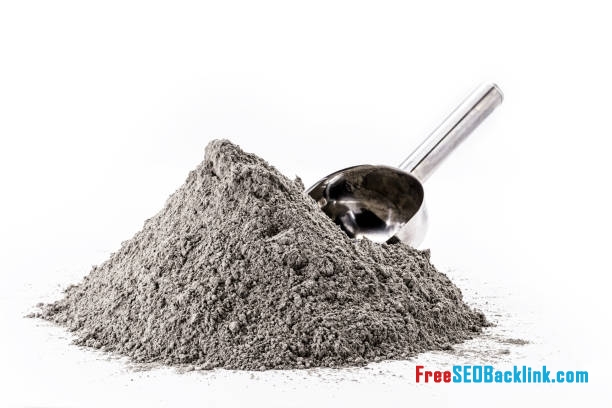
Zinc Dust (Zn) is far more than just a raw industrial material this vital product serves as a fundamental pillar for countless advanced and innovative processes across diverse industries. Comprised of extremely fine and highly reactive zinc particles, Zinc Dust boasts exceptional properties including high reactivity, unparalleled corrosion resistance, and excellent electrical and thermal conductivity, making it an indispensable component in a vast array of applications.
Visit: 1516 | Ways to increase visits
Short url: https://freeseobacklink.com/465
ID: 465 | Report (5 Score)
Date of registration: 27 Oct 2025 15:48:56
Update: 27 Oct 2025 15:48:56
Zinc Dust (Zn) is far more than just a raw industrial material this vital product serves as a fundamental pillar for countless advanced and innovative processes across diverse industries. Comprised of extremely fine and highly reactive zinc particles, Zinc Dust boasts exceptional properties including high reactivity, unparalleled corrosion resistance, and excellent electrical and thermal conductivity, making it an indispensable component in a vast array of applications.
From cold galvanizing coatings and zinc-rich primers that offer superior protection against corrosion, to its role as a catalyst in chemical production, from pigments in the paint industry to its use in powder metallurgy and battery manufacturing, Zinc Dust holds a key presence at the heart of today&rsquos industries. ATSOTEK, with profound expertise in this field, supplies Zinc Dust adhering to the highest standards of quality and purity, precisely tailored to meet the complex demands of various industrial sectors.
In the following sections, we will delve deeper into the comprehensive features, benefits, and diverse applications of Zinc, demonstrating how choosing this product from ATSOTEK can significantly enhance quality, boost durability, and optimize your production processes.
What is Zinc Dust?
Zinc dust is a finely divided metallic zinc with high purity, typically produced through atomizationcondensation processes, resulting in particles with irregular shapes and high surface activity. Unlike zinc powder, which is used for alloying and galvanizing, zinc dust serves primarily as a reducing agent and a corrosion‑resistant pigment in zinc‑rich coatings. Its exceptional purity (&ge 99.7 %) and low gas‑evolution behavior make it indispensable in industrial formulations&mdashensuring long‑term protection of steel structures, pipelines, and marine assets. The distinction between zinc dust and zinc powder lies in their particle morphology, production method, and performance in chemical reactions, all of which define the material grade and its ASTM Type II / III classification.
Video Player
00:00
05:22
Difference Between Zinc Dust and Zinc Powder
Although zinc dust and zinc powder share a similar chemical composition, their physical characteristics and industrial applications differ markedly. Zinc dust consists of ultra‑fine particles&mdashtypically below 10 µm&mdashformed through condensationatomization of molten zinc. These particles have a high surface area and reactivity, making zinc dust ideal for use as a reducing agent and as a corrosion‑resistant pigment in zinc‑rich coatings. In contrast, zinc powder is produced by mechanical comminution and exhibits larger, more uniform particles, which suit applications in metal alloys, batteries, and galvanizing compounds rather than coatings.
The practical distinction between the two lies in their functional behavior within formulations. Zinc dust reacts more readily with binders and oxygen due to its fine morphology&mdashcreating dense, conductive films that prevent rust and extend coating life on steel structures. Zinc powder, on the other hand, is engineered for structural reinforcement and alloying, where particle uniformity and controlled size are essential. For a deeper industrial comparison, performance data, and formulation guidance, see our detailed article &ldquoZinc Powder vs Zinc Dust &ndash Understanding the Key Differences&rdquo.
Industrial Applications of Zinc Dust
Zinc dust plays a critical role across multiple industrial sectors due to its unique combination of high purity, fine particle size, and strong reducing capability.
In protective coatings, it serves as the primary pigment in zinc‑rich primers and epoxy systems, providing cathodic protection to steel structures, pipelines, bridges, and offshore platforms. The ultra‑fine particles create conductive layers that shield underlying metals from corrosion for decades.
In battery manufacturing, zinc dust functions as an active anode component in alkaline and silver‑oxide cells, ensuring high discharge capacity and cost‑efficient performance.
Within the chemical industry, it is employed as a reliable reducing agent for organic synthesis and catalyst regeneration, thanks to its controlled reactivity and high surface area.
Rubber and plastics manufacturers use zinc dust as an anti‑oxidant additive, extending product durability under heat and UV exposure, while pharmaceutical and textile applications benefit from its purity in specialized formulations.
For detailed case studies and formulation examples in coating and reduction chemistry, reference your blog posts:
&ldquoTop 5 Industrial Applications of Zinc Dust&rdquo
&ldquoZinc Dust in Industry &ndash Corrosion Protection and Technical Uses&rdquo
Technical Specifications
Parameter
Typical Value
Standard
Zinc Purity
&ge 99.7%
ASTM Type III
Particle Size
2.5&ndash9 &mum
ISO 650
Apparent Density
2.5&ndash4.5 g/cm³
&mdash
Shape
Spherical / irregular
&mdash
Extensive Applications of ZINC DUST Across Various Industries
Zinc Dust (Zn), thanks to its unique chemical and physical properties, serves as a crucial raw material across a vast spectrum of industries and applications. Recognized for its high reactivity and exceptional ability to provide superior corrosion protection, this material plays a vital role in processes ranging from the production of paints and protective coatings to chemical and metallurgical industries. Below, we highlight some of the most significant applications of Zinc Dust:
Anti‑corrosion coatings:
Zinc dust is the key pigment in zinc‑rich primers and epoxy coatings that protect steel and iron against corrosion through cathodic protection. Its ultra‑fine particles form an electrically‑conductive layer that sacrifices itself to shield underlying metal surfaces.
Zinc Dust in Industry &ndash Corrosion Protection and Technical Uses
Marine and ship primers:
In marine environments, zinc dust ensures long‑term resistance against saltwater exposure. It&rsquos used in ship hull coatings and offshore platforms where oxidation and electrochemical corrosion are most aggressive.
Top 5 Industrial Applications of Zinc Dust
Chemical reduction reactions:
Zinc dust acts as a powerful reducing agent for organic and inorganic reactions, including the synthesis of dyes, intermediates, and catalyst regeneration in the chemical sector. Its high surface reactivity ensures precise conversion rates without contaminating residues.
Battery and metallurgy:
Used as an active component in alkaline and silver‑oxide batteries, zinc dust delivers consistent electrochemical performance. It also aids metallurgical processes, facilitating purification and alloying steps where controlled reactivity matters.
As you can see, the range of Zinc Dust&rsquos applications is incredibly broad and diverse, and its role in the advancement of many modern industries is undeniable. Opting for high-quality, high-purity Zinc, which ATSOTEK guarantees, is essential to achieve maximum efficiency and durability across all these applications.
Grades & Standards
ATSOTEK supplies industrial‑grade zinc dust compliant with ASTM and ISO standards for coatings and chemical applications.
Zinc dust grades differ by particle size distribution, gas evolution rate, and purity level.
Grade
Purity (%)
Gas Evolution
Typical Use
Standard
ASTM Type II
&ge 99.7 %
Moderate
Chemical Reduction, Batteries
ASTM B‑54 Type II
ASTM Type III
&ge 99.9 %
Very Low (Zero‑Gassing)
High‑Performance Coatings, Marine Use
ASTM B‑54 Type III
Each grade is manufactured under strict particle control and passivation protocols to prevent spontaneous oxidationhydrogen evolution.
Zinc Dust Grades &ndash Industrial Specification Handbook
Quality Control
ATSOTEK&rsquos Quality Assurance System ensures product consistency through advanced lab testing:
Particle Size Analysis (Laser Diffraction)
Sieve Testing and Density Measurement
Purity Confirmation via XRF Spectrometry
Hydrogen Evolution Tests (Zero‑Gassing Verification)
All production batches include full documentation &mdash Certificate of Analysis (COA) and Safety Data Sheet (SDS) &mdash downloadable for client review.
Packaging & Shipment
Zinc dust is packed in airtight 25 kg drums, 250 kg steel barrels, or 1 ton palletized containers depending on client specifications.
Each container is nitrogen‑sealed to prevent moisture ingress and oxidation.
Worldwide shipping is available via Rotterdam, Mumbai, and Shanghai ports, with customs documentation compliant with international hazardous material transport codes (UN 1436 &ndash Zinc Dust, Dry).
Custom labeling and palletization are offered for OEM & export clients.
Strategic Importance and Factors Influencing the Price of ZINC DUST
Zinc Dust (Zn) is more than just a chemical product it&rsquos a strategic material whose presence in various industries significantly impacts the quality, durability, and efficiency of final products. Its importance stems not only from its widespread applications in corrosion prevention, battery production, and chemical processes, but also from its crucial role in the sustainability and longevity of industrial infrastructure and goods. Opting for Zinc of standard purity and quality directly affects your product&rsquos final performance, and any oversight in this area can lead to significant costs from repairsreplacements.
Why is Zinc Dust (Zn Dust) So Vital?
Unparalleled Corrosion Protection: The most significant reason for Zinc Dust&rsquos importance is its unmatched ability to protect metals from corrosion. This feature dramatically extends the lifespan of structures and equipment, especially in corrosive environments like the marine, construction, and automotive industries.
Powerful Reducing Agent: Zinc Dust&rsquos role as a reducing agent in the chemical and metallurgical industries makes it an essential component for producing numerous chemicals and pure metals.
Extended Product Lifespan: By using Zinc in coatings and alloys, products can gain increased resistance to environmental factors, thereby reducing costs associated with wear and replacement.
Supporting Modern Technologies: From advanced batteries to novel metallurgical processes, Zinc serves as a vital raw material, supporting the development and advancement of cutting-edge technologies worldwide.
Factors Influencing the Price of Zinc Dust
The price of Zinc Dust, like many industrial raw materials, is influenced by several factors. Understanding these is crucial for purchasing decisions and strategic planning. ATSOTEK, by continuously monitoring the market and leveraging extensive trade relationships, strives to offer its customers the best prices and quality. The most significant factors affecting the price of Zinc include:
Global Zinc Metal Prices: Zinc Dust is directly produced from zinc metal therefore, fluctuations in global zinc prices (such as on the London Metal Exchange &ndash LME) directly impact the price of Zinc. Global supply and demand for zinc, the status of mines, and smelting capacities are determining factors.
Product Purity and Quality: Zinc Dust is manufactured in various grades based on purity and particle size. The higher the purity and the finer and more uniform the particle size, the more complex the production process, and consequently, the higher its price. Special high-purity grades command a premium for more sensitive applications.
Supply and Demand in the Domestic and Regional Market: The balance of supply and demand within the Iranian and regional markets also affects prices. Domestic production levels, imports, and the volume of consumption by local industries are key factors.
Production Costs: Costs related to energy, labor, auxiliary raw materials, and manufacturing processes directly impact the final cost of Zinc Dust.
Exchange Rates and Inflation: Given that some raw materialsnecessary equipment are imported, fluctuations in exchange rates and inflationary conditions within the country can influence the final price of Zinc Dust.
Environmental Regulations: Any changes in environmental standardsproduction requirements can increase manufacturing costs and affect the final price.
ATSOTEK, as a leading supplier of Zinc Dust, is committed to providing high-quality products at competitive prices. For more detailed information on current pricing and expert consultation on selecting the appropriate grade of Zinc for your project needs, please contact our specialists.
Navigating Zinc Dust Pricing &ndash Market and Technical Factors
Frequently Asked Questions (FAQs) about Zinc Dust
What exactly is Zinc Dust (Zn), and how does it differ from Zinc Powder?
Zinc Dust (Zn) is a highly refined form of zinc, consisting of extremely fine, spherical particles. While both are powdered forms of zinc, Zinc Dust is typically produced with a much finer and more consistent particle size distribution, leading to higher reactivity and superior performance in specialized applications like corrosion-resistant coatings and chemical reactions.
What are the primary industrial applications of Zinc Dust?
Zinc Dust boasts a wide range of critical applications. Its most significant uses include anti-corrosion primers and cold galvanizing paints for superior metal protection, serving as a powerful reducing agent in chemical and metallurgical processes, and its role as an active material in certain battery manufacturing.
How does Zinc Dust provide superior corrosion protection for metals?
Zinc Dust offers exceptional corrosion protection primarily through cathodic protection (sacrificial protection). When applied to steelother metals, the more reactive zinc particles corrode preferentially, sacrificing themselves to protect the underlying metal from rust and degradation, even if the coating is scratched.
Is Zinc Dust used as a reagentcatalyst in chemical processes?
Yes, Zinc Dust is widely recognized and utilized as a potent reducing agent in both organic and inorganic syntheses. While it can also be a component within certain catalytic systems, its primary role in the chemical industry is as a reducing agent to facilitate various reactions.
What factors influence the price of Zinc Dust?
The price of Zinc Dust is influenced by several key factors: global zinc metal prices (as traded on exchanges like the LME), the purity and particle size specifications of the product, regional supply and demand dynamics, production costs (including energy and labor), and exchange rate fluctuations.
Register comment (5 Score)